
ClawBox
Verdict
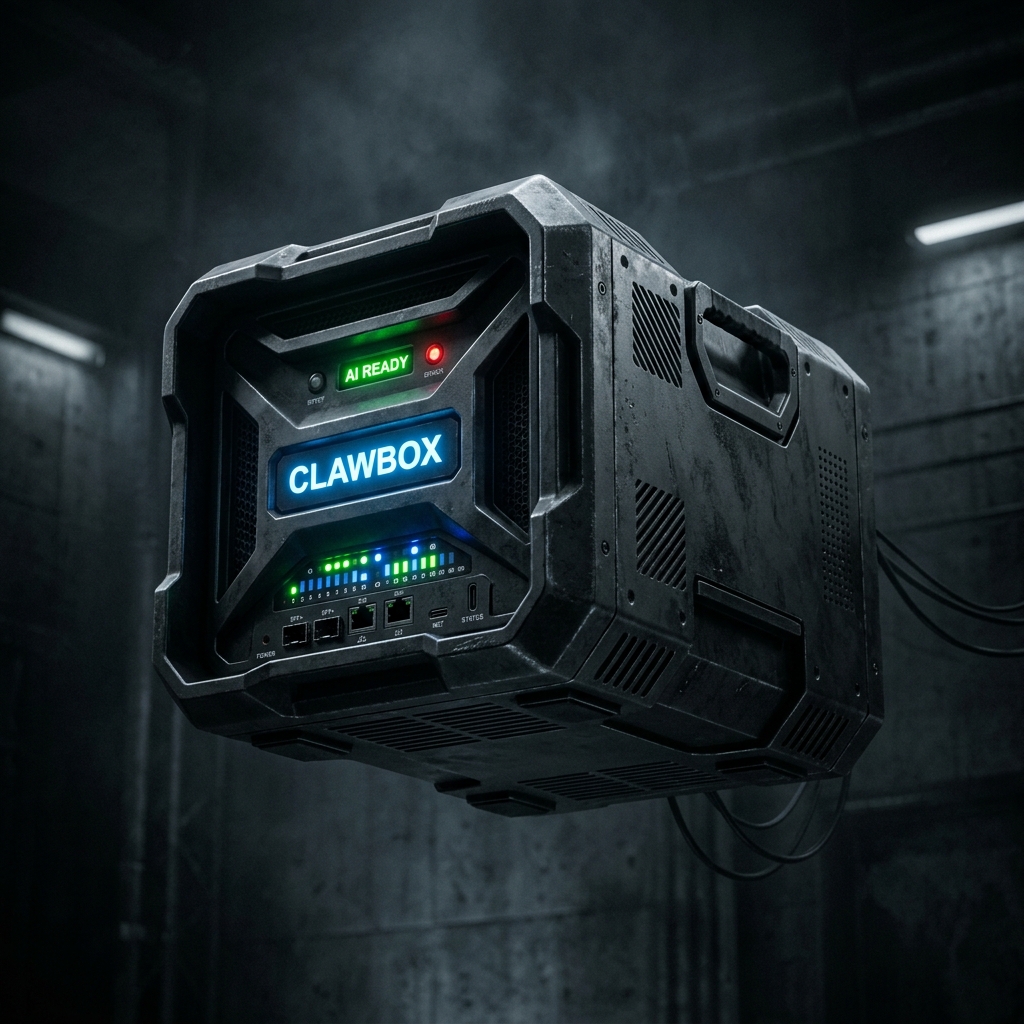
A dedicated 20W AI appliance that runs a local agent continuously, with no discrete GPU.
Where it wins, where it doesn't
Pros
- Around 20W continuous draw makes always-on genuinely practical
- Dedicated appliance, no general-purpose OS to maintain
- Runs entirely locally — nothing leaves the house
Cons
- Locked to its own model rather than anything you want to load
- Requires real networking competence to integrate
- Nowhere near the capability of a local-inference workstation
Editorial note
ClawBox effectively opened a category: the AI appliance. The premise is that the interesting thing about a home agent is not raw capability but persistence — something that listens and acts around the clock without you thinking about it. Twenty watts makes that economically sensible in a way an always-on workstation never is, and running a dedicated appliance rather than a general-purpose OS removes an entire class of maintenance. The honest limits are scope and setup: it runs its model, not whatever you feel like loading this week, and getting it usefully wired into a home requires real networking competence. This is not a replacement for a local-inference workstation — it is the opposite trade, capability given up in exchange for something you can actually leave running.
In-Depth Review
ClawBox effectively opened a category: the AI appliance. The premise is that the valuable thing about a home agent is not peak capability but persistence — something that listens and acts around the clock without you managing it. At around 20W continuous draw, that is economically sensible in a way an always-on workstation never is.
What the design choice buys
Running a dedicated appliance instead of a general-purpose OS removes an entire class of maintenance — no updates to babysit, no drift, no "why did it stop." Everything runs locally, so nothing leaves the house.
The honest limits
- Scope. It runs its model, not whatever you feel like loading this week.
- Setup. Wiring it usefully into a home network takes real competence — this is not plug-and-play for most households.
- Capability. It is nowhere near a local-inference workstation, and it is not trying to be.
This is the opposite trade from a GPU box: you give up capability in exchange for something you can actually leave running and forget.
Who should buy
Home Assistant and local-automation users, self-hosting households, and anyone who values a persistent local agent more than raw model quality. If you want to experiment with different models, buy a workstation instead.
Frequently Asked Questions
Who is ClawBox for?↓
What are the drawbacks of ClawBox?↓
What does ClawBox do well?↓
What is the Fathom Layer design score for ClawBox?↓
Alternatives to consider
See all alternatives →Further reading
Featured badge
Building this product? Add the badge to your site to show it’s in the index.

<a href="https://fathomlayer.com/compute/local-ai-workstations/clawbox-appliance" target="_blank" rel="noopener noreferrer"><img src="https://fathomlayer.com/fathom-badge.svg" alt="Featured on Fathom Layer" width="250" height="54" /></a>