
Versus Engine
ClawBox vs Nvidia GeForce RTX 5080 (16GB)
Specs, price and the one trade-off that actually decides it — ClawBox against Nvidia GeForce RTX 5080 (16GB), side by side.
Cheaper to start
Tie
Both start at a similar price.
Rated higher
ClawBox
9.2 vs 9.1 on our design scale.
Standout
ClawBox
Around 20W continuous draw makes always-on genuinely practical
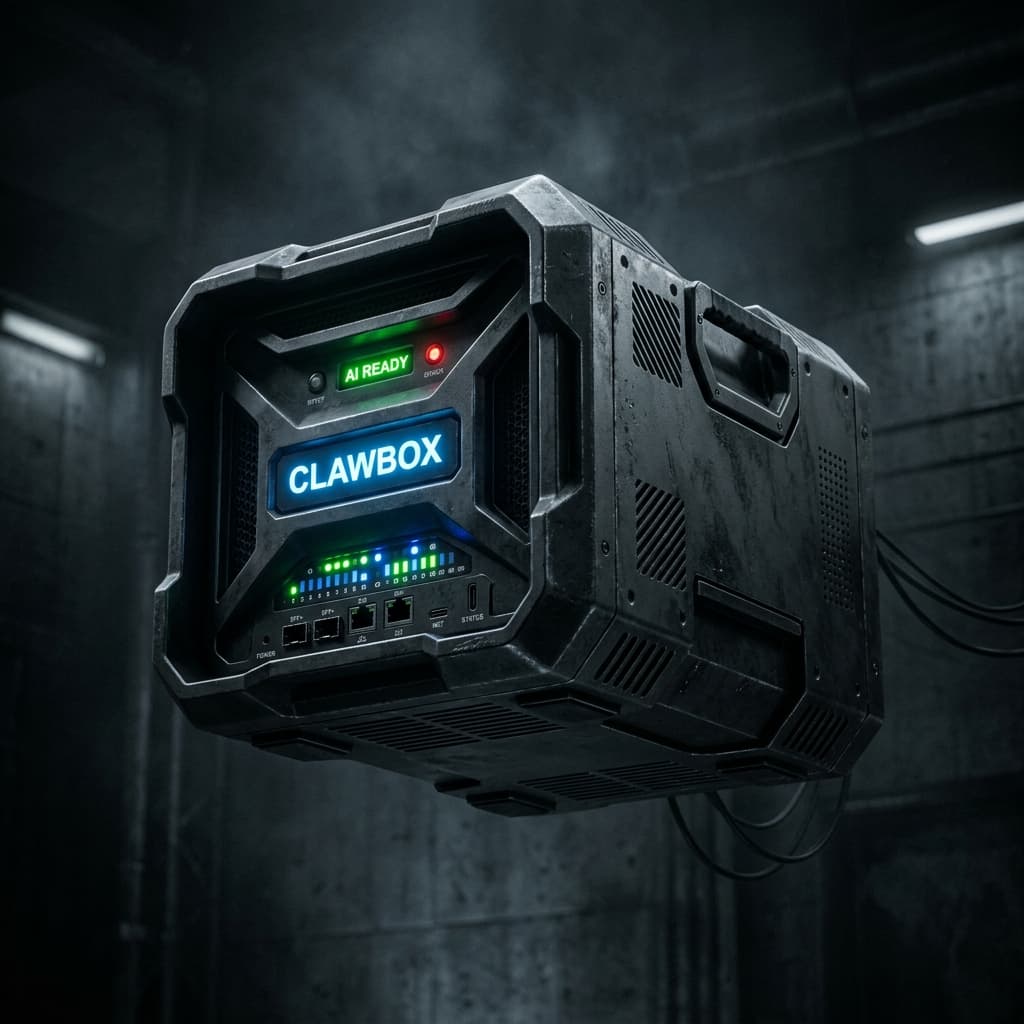
ClawBox
A dedicated 20W AI appliance that runs a local agent continuously, with no discrete GPU.
Where it wins, where it doesn't
Pros
- Around 20W continuous draw makes always-on genuinely practical
- Dedicated appliance, no general-purpose OS to maintain
- Runs entirely locally — nothing leaves the house
Cons
- Locked to its own model rather than anything you want to load
- Requires real networking competence to integrate
- Nowhere near the capability of a local-inference workstation
Specifications
- memory—
- cuda_cores—
- memory_bus—
- architecture—
- memory_bandwidth—
- total_graphics_power—
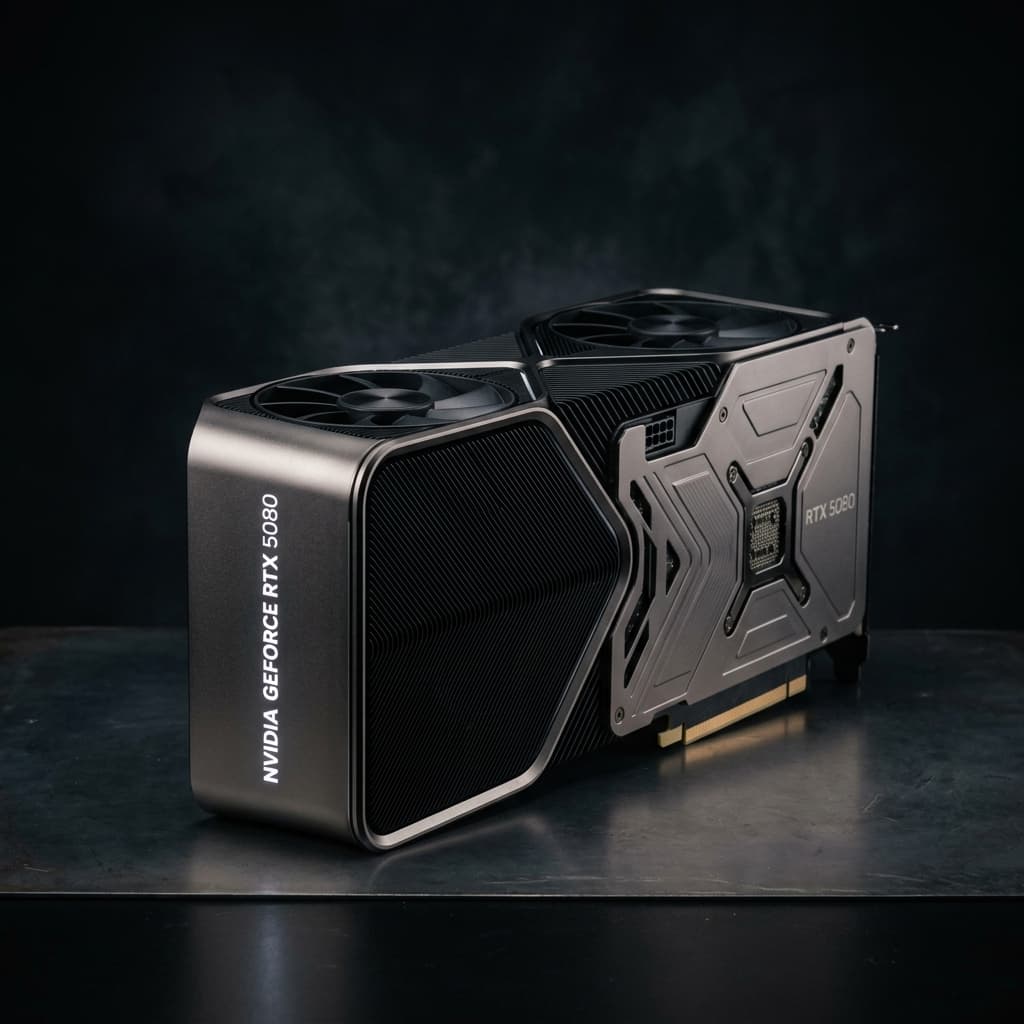
Nvidia GeForce RTX 5080 (16GB)
A solid generational step over the 4080 at $999, still capped at 16GB of VRAM.
Where it wins, where it doesn't
Pros
- Solid generational gain over the 4080
- Much better cost per frame than the 5090
- Strong for rendering and video work
Cons
- 16GB VRAM — no more model headroom than a 5070 Ti at two-thirds the price
- Cannot run 70B-class inference
- Expensive for what it adds over the tier below
Specifications
- memory16GB GDDR7
- cuda_cores10752
- memory_bus256-bit
- architectureBlackwell
- memory_bandwidth960 GB/s
- total_graphics_power360W