
Nvidia GeForce RTX 5070 Ti (16GB)
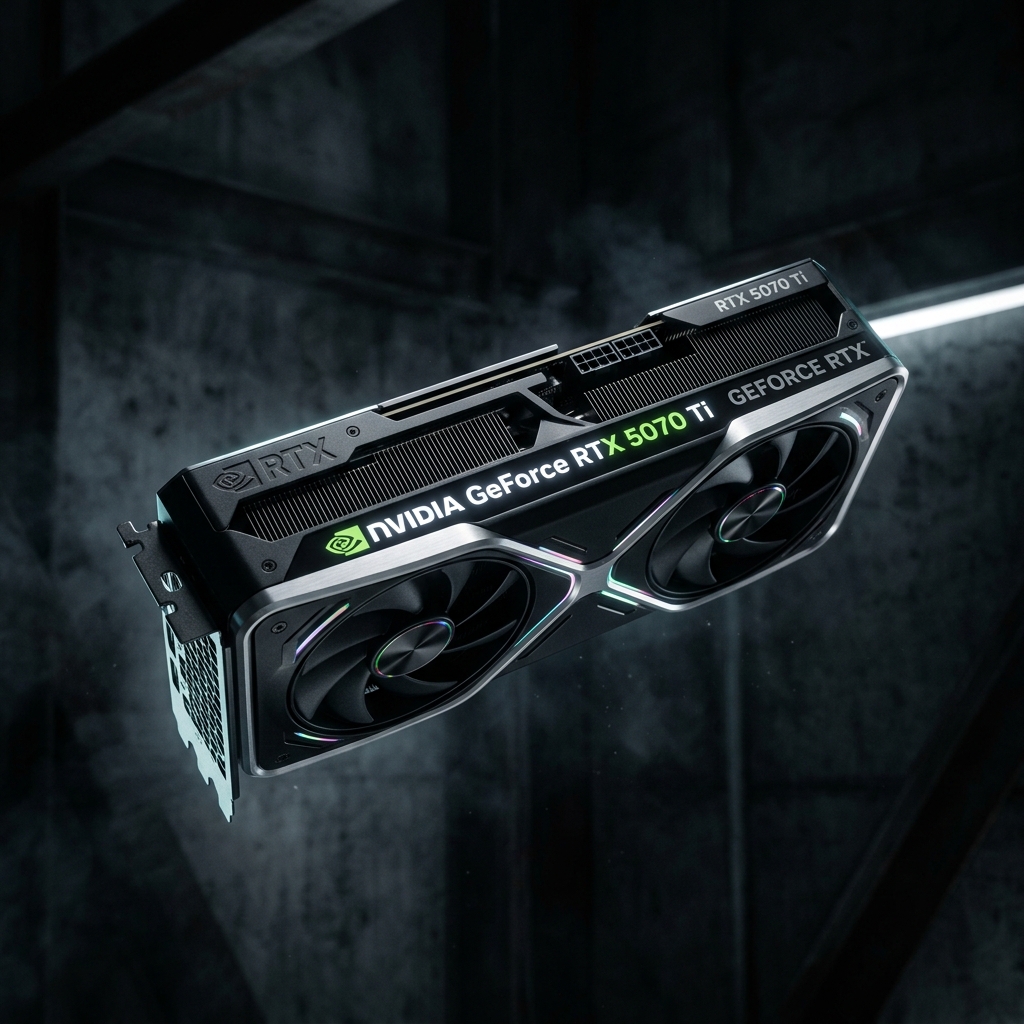
Verdict
The value inflection point of the RTX 50 series: 16GB of GDDR7 at a $749 MSRP.
Where it wins, where it doesn't
Pros
- 16GB VRAM is the practical floor for comfortable local inference
- Best cost-per-capability in the RTX 50 line
- Modest power draw and manageable thermals
Cons
- No headroom for 32B-class models
- Street pricing has run far above the $749 MSRP
- Raw 4K render performance trails the 5080
Specifications
| Memory | 16GB GDDR7 |
|---|---|
| Cuda Cores | 8960 |
| Boost Clock | 2.45 GHz |
| Architecture | Blackwell |
| Memory Bandwidth | 896 GB/s |
| Total Graphics Power | 300W |
Editorial note
This is the card most people should actually buy, and the reason is 16GB rather than raw speed. Below that, quantised models in the 13B class start spilling into system memory and inference falls off a cliff; at 16GB they fit with room to work. Above it, you pay steeply for headroom that only matters if you are running 32B-class models — and if you are, 16GB will not save you either, so the extra spend on a 5080 buys you frames, not capability. A 300W board power keeps thermals manageable in an ordinary case, which is not a small thing when the machine sits next to you. Two honest limits: this is a card for models up to roughly 13B quantised, and street pricing has run well above the $749 MSRP for most of its life — check what you would actually pay before treating it as the value option.
In-Depth Review
This is the card most people running local models should actually buy, and the reason is the 16GB of GDDR7, not the clock speed. Below 16GB, quantised models in the 13B class start spilling into system memory and inference falls off a cliff. At 16GB they fit with room to work.
Why more VRAM is the wrong upgrade here
Above 16GB you pay steeply for headroom that only matters at 32B-class models — and if you are running those, 16GB will not save you either, so the extra money on a 5080 buys frames, not capability. The 5070 Ti's 8960 CUDA cores, 896 GB/s of bandwidth and 300W board power land it exactly at the point where cost and capability cross.
The trade-offs
| Strength | Limit |
|---|---|
| 16GB is the practical floor for comfortable local inference | No real headroom for 32B-class models |
| Best cost-per-capability in the RTX 50 line | Raw 4K render performance trails the 5080 |
| 300W keeps thermals manageable in a normal case | Street pricing has run well above the $749 MSRP |
Who should buy
Independent developers running models up to roughly 13B quantised, and premium mid-budget gaming builds. Check the actual street price before treating it as the value option — it has spent most of its life above MSRP.
Frequently Asked Questions
Who is Nvidia GeForce RTX 5070 Ti (16GB) for?↓
What are the drawbacks of Nvidia GeForce RTX 5070 Ti (16GB)?↓
What does Nvidia GeForce RTX 5070 Ti (16GB) do well?↓
How much does Nvidia GeForce RTX 5070 Ti (16GB) cost?↓
What is the Fathom Layer design score for Nvidia GeForce RTX 5070 Ti (16GB)?↓
Alternatives to consider
See all alternatives →Further reading
Featured badge
Building this product? Add the badge to your site to show it’s in the index.

<a href="https://fathomlayer.com/compute/local-ai-workstations/nvidia-geforce-rtx-5070-ti" target="_blank" rel="noopener noreferrer"><img src="https://fathomlayer.com/fathom-badge.svg" alt="Featured on Fathom Layer" width="250" height="54" /></a>