
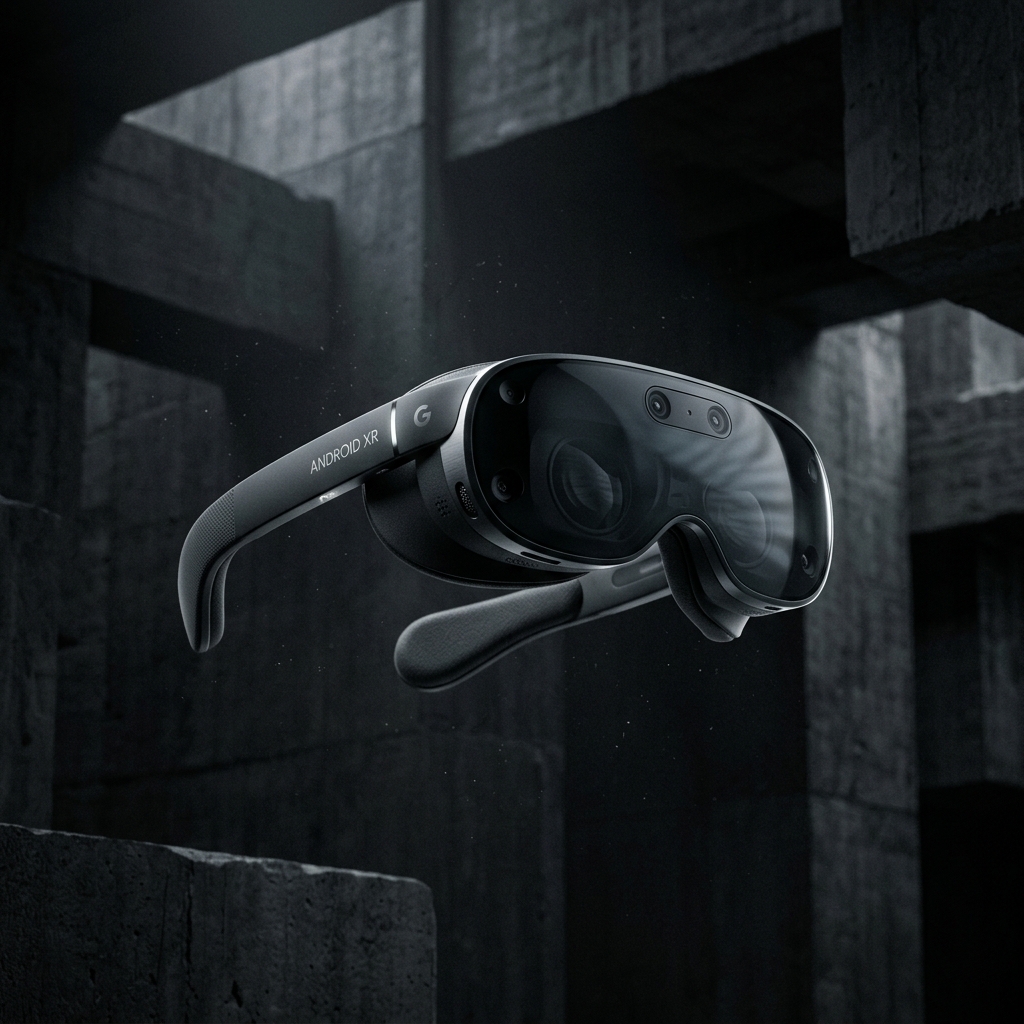
Google Android XR Glasses
Verdict
Google's AR platform play, pairing Gemini with directional audio and — unusually — native support for both Android and iOS.
Where it wins, where it doesn't
Pros
- Platform-neutral — works natively on both Android and iOS
- High-quality directional audio
- Gemini integration built in rather than bolted on
Cons
- No fashion-brand appeal to match Ray-Ban Meta
- Category still trading heavily on unreleased promise
- Assistant quality depends on a cloud connection
Editorial note
The interesting decision here is not the hardware, it is the refusal to build a walled garden. Every competitor uses smart glasses to deepen lock-in to a phone ecosystem; Google supports both, which makes these the only serious pair you can buy without first committing to a handset. That matters more than it sounds: glasses outlive phones, and buying into a single-OS accessory means your next phone decision is made for you. Gemini integration and directional audio are competent rather than remarkable. What these lack is the thing Ray-Ban Meta has in abundance — an object people actually want to wear. Pick these if platform neutrality is worth more to you than looking good, and be honest that the category is still trading on promise.
In-Depth Review
The interesting decision here is not the hardware — it is the refusal to build a walled garden. Every competitor uses smart glasses to deepen lock-in to a phone ecosystem. Google supports both Android and iOS natively, which makes these the only serious pair you can buy without first committing to a handset.
Why that matters more than it sounds
Glasses outlive phones. Buying a single-OS accessory means your next phone decision is partly made for you. Platform neutrality here is a genuine, durable advantage.
Gemini integration and directional audio are competent rather than remarkable, and the assistant leans on a cloud connection for its best answers.
What's missing
The thing Ray-Ban Meta has in abundance: an object people actually want to wear. There is no fashion-brand partnership, no design that reads as eyewear first. And the category as a whole is still trading heavily on unreleased promise.
Who should buy
People who switch between iOS and Android, generalist enthusiasts, and buyers who refuse single-ecosystem accessories. If you want glasses people compliment rather than notice, look at Ray-Ban Meta and accept the ecosystem tie.
Frequently Asked Questions
Who is Google Android XR Glasses for?↓
What are the drawbacks of Google Android XR Glasses?↓
What does Google Android XR Glasses do well?↓
What is the Fathom Layer design score for Google Android XR Glasses?↓
Alternatives to consider
See all alternatives →Further reading
Featured badge
Building this product? Add the badge to your site to show it’s in the index.

<a href="https://fathomlayer.com/ecosystem/ar-glasses/google-android-xr-glasses" target="_blank" rel="noopener noreferrer"><img src="https://fathomlayer.com/fathom-badge.svg" alt="Featured on Fathom Layer" width="250" height="54" /></a>