
Versus Engine
Dymesty AI Glasses vs Google Android XR Glasses
Specs, price and the one trade-off that actually decides it — Dymesty AI Glasses against Google Android XR Glasses, side by side.
Cheaper to start
Tie
Both start at a similar price.
Rated higher
Google Android XR Glasses
9.0 vs 8.5 on our design scale.
Standout
Dymesty AI Glasses
No camera at all — passes clean-desk and secure-site policies
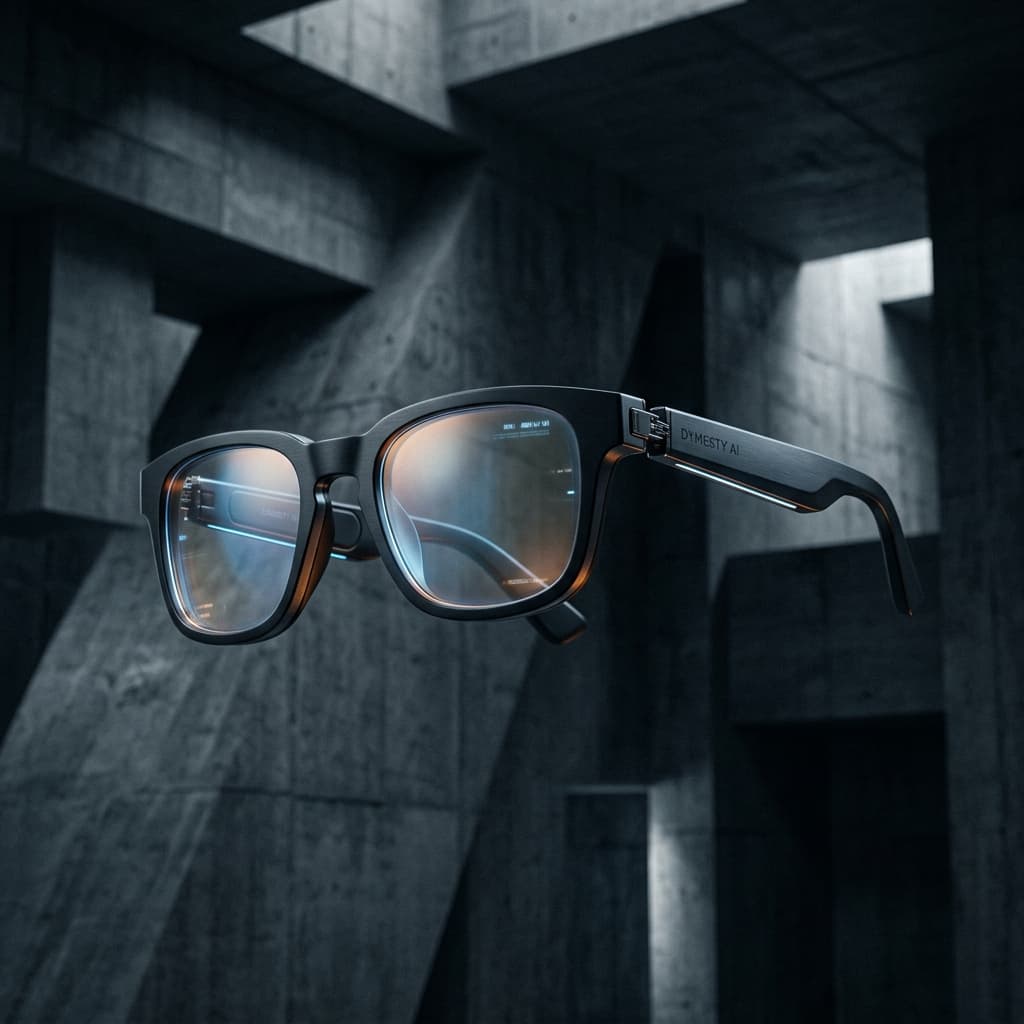
Dymesty AI Glasses
Camera-free AI glasses in titanium, built around on-device translation rather than capture.
Where it wins, where it doesn't
Pros
- No camera at all — passes clean-desk and secure-site policies
- Ultralight titanium frame
- Translation is the focus rather than an afterthought
Cons
- Purely functional aesthetic with no fashion angle
- Much smaller integration ecosystem than Meta or Google
- Removing the camera removes visual lookup and scene understanding entirely
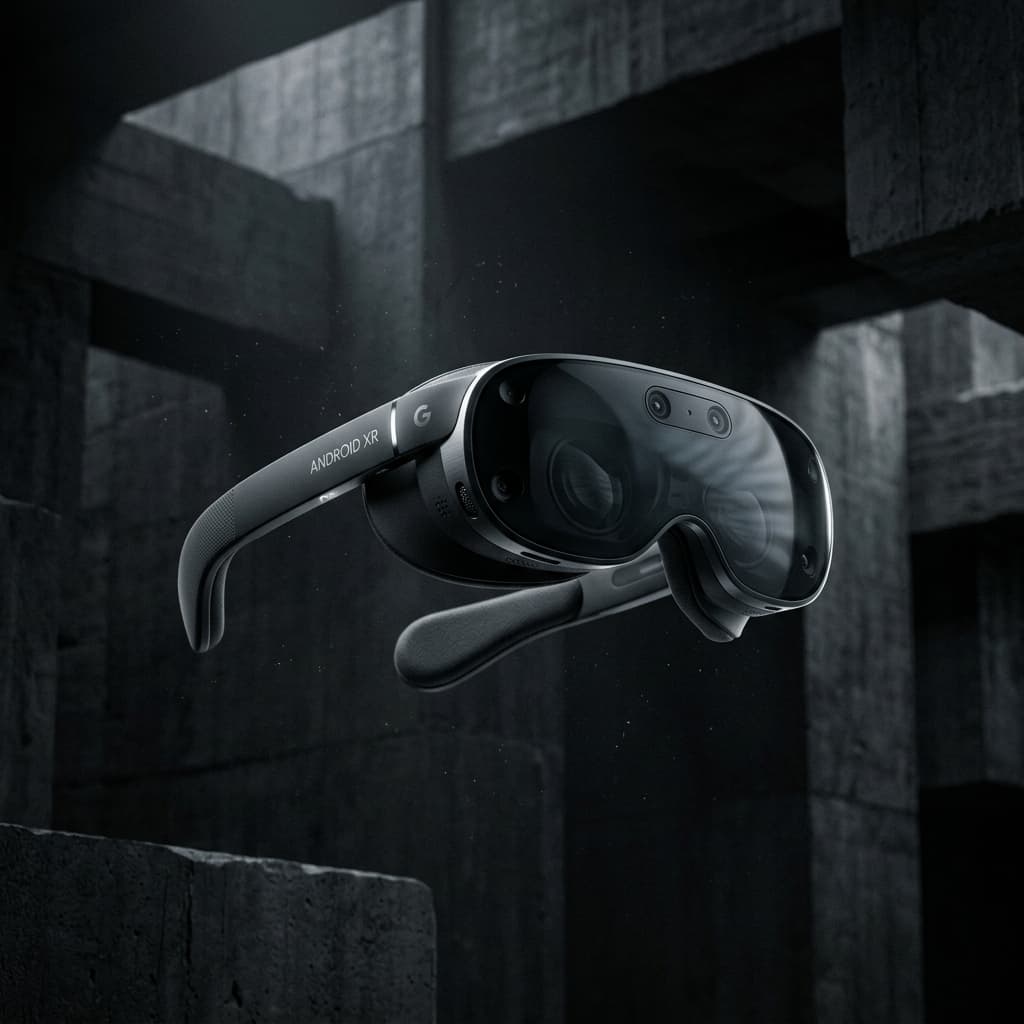
Google Android XR Glasses
Google's AR platform play, pairing Gemini with directional audio and — unusually — native support for both Android and iOS.
Where it wins, where it doesn't
Pros
- Platform-neutral — works natively on both Android and iOS
- High-quality directional audio
- Gemini integration built in rather than bolted on
Cons
- No fashion-brand appeal to match Ray-Ban Meta
- Category still trading heavily on unreleased promise
- Assistant quality depends on a cloud connection