
Versus Engine
Nvidia GeForce RTX 5070 Ti (16GB) vs Nvidia GeForce RTX 5090 (32GB)
Specs, price and the one trade-off that actually decides it — Nvidia GeForce RTX 5070 Ti (16GB) against Nvidia GeForce RTX 5090 (32GB), side by side.
Cheaper to start
Nvidia GeForce RTX 5070 Ti (16GB)
Starts about $1,250 lower.
Rated higher
Nvidia GeForce RTX 5090 (32GB)
9.7 vs 9.3 on our design scale.
Standout
Nvidia GeForce RTX 5070 Ti (16GB)
16GB VRAM is the practical floor for comfortable local inference
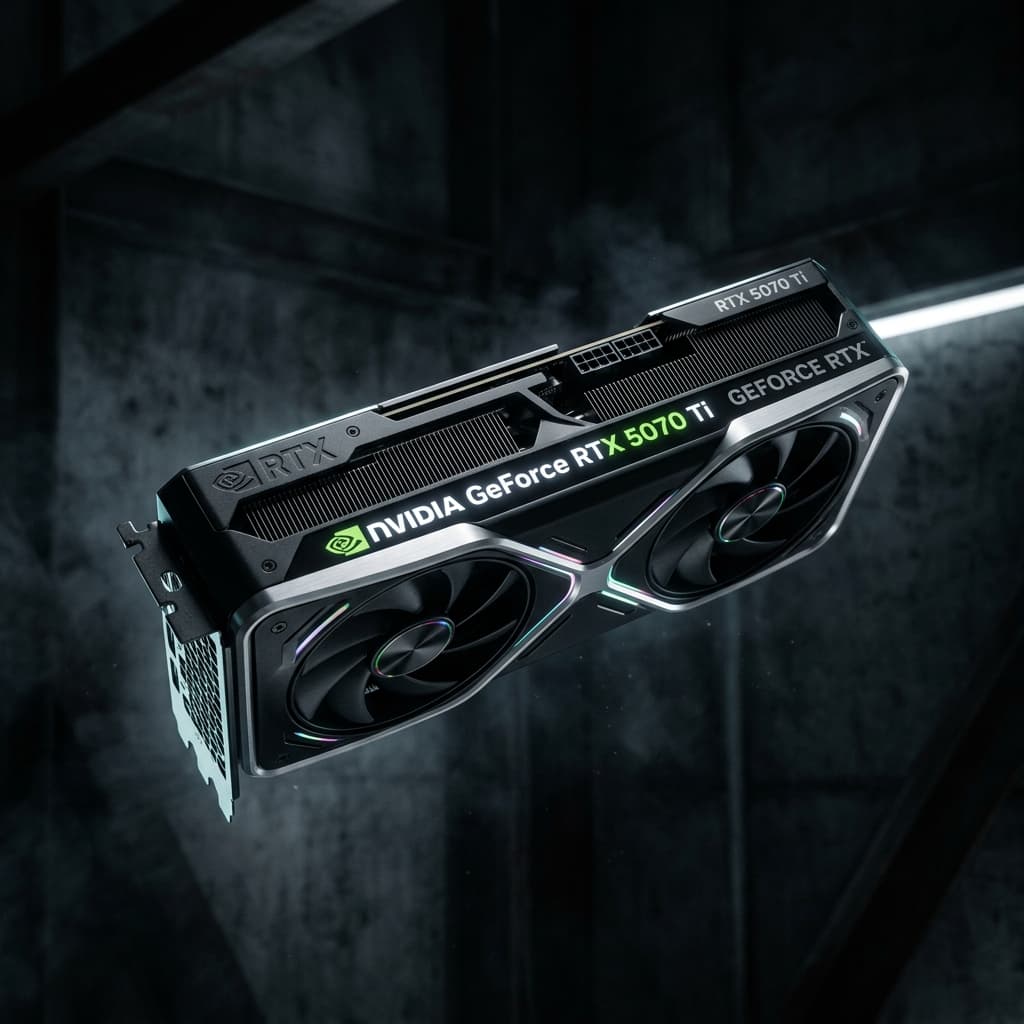
Nvidia GeForce RTX 5070 Ti (16GB)
The value inflection point of the RTX 50 series: 16GB of GDDR7 at a $749 MSRP.
Where it wins, where it doesn't
Pros
- 16GB VRAM is the practical floor for comfortable local inference
- Best cost-per-capability in the RTX 50 line
- Modest power draw and manageable thermals
Cons
- No headroom for 32B-class models
- Street pricing has run far above the $749 MSRP
- Raw 4K render performance trails the 5080
Specifications
- memory16GB GDDR7
- cuda_cores8960
- boost_clock2.45 GHz
- architectureBlackwell
- memory_bandwidth896 GB/s
- total_graphics_power300W
- memory_bus—
- recommended_psu—
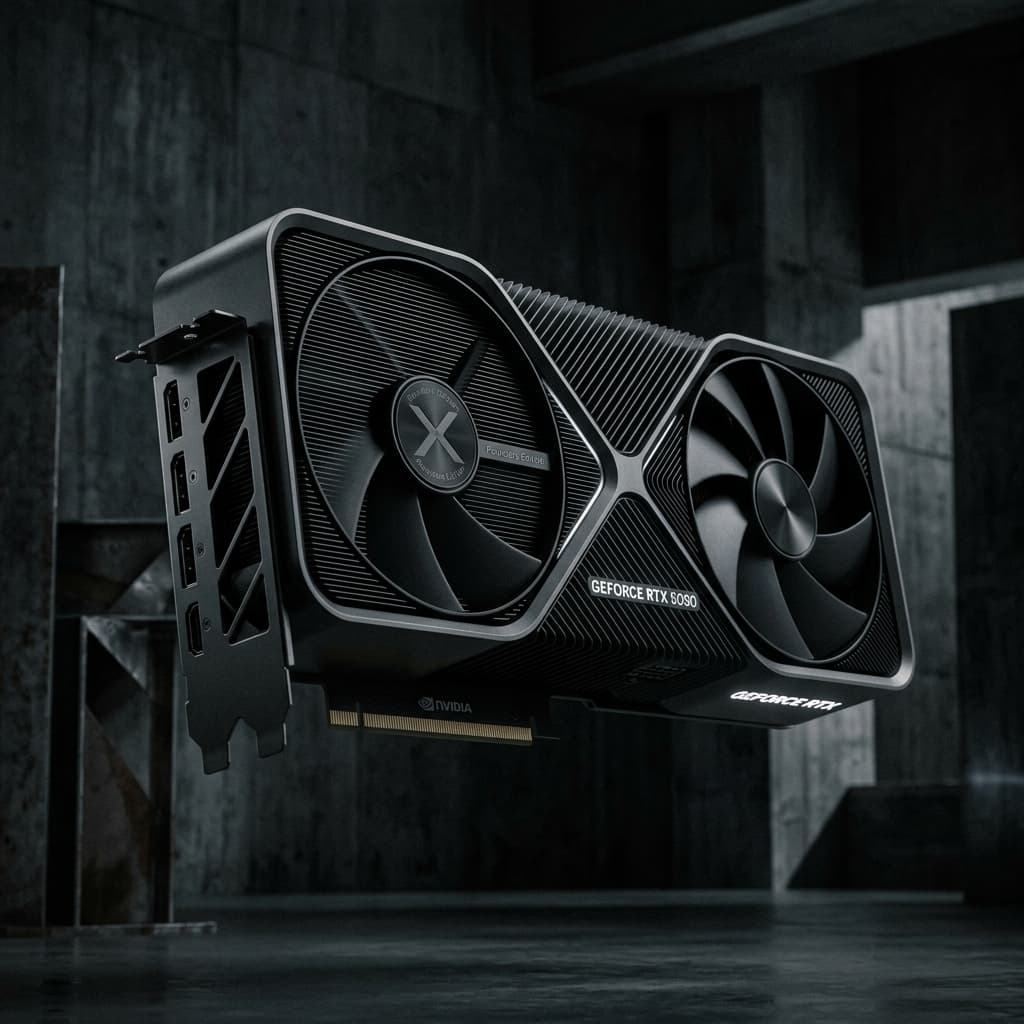
Nvidia GeForce RTX 5090 (32GB)
The fastest consumer card available, with 32GB of GDDR7 — and the power bill to match.
Where it wins, where it doesn't
Pros
- 32GB GDDR7 — runs 70B-class models quantised on a single card
- Fastest consumer silicon available
- Avoids the complexity of a multi-GPU build
Cons
- Roughly double the 5080's price for far less than double the performance
- 600W-class power delivery dictates case and PSU choices
- Poor value for anything that is not memory-bound
Specifications
- memory32GB GDDR7
- cuda_cores21760
- boost_clock—
- architectureBlackwell
- memory_bandwidth1792 GB/s
- total_graphics_power575W
- memory_bus512-bit
- recommended_psu1000W