
Versus Engine
Lenovo ThinkPad X1 Carbon Gen 13 vs Apple MacBook Pro 16" (M3 Max)
Specs, price and the one trade-off that actually decides it — Lenovo ThinkPad X1 Carbon Gen 13 against Apple MacBook Pro 16" (M3 Max), side by side.
Cheaper to start
Lenovo ThinkPad X1 Carbon Gen 13
Starts about $1,900 lower.
Rated higher
Apple MacBook Pro 16" (M3 Max)
9.8 vs 0.0 on our design scale.
Standout
Lenovo ThinkPad X1 Carbon Gen 13
Best-in-class keyboard for sustained typing

Lenovo ThinkPad X1 Carbon Gen 13
The business ultraportable, updated — light, quiet, and built to be carried every day.
Where it wins, where it doesn't
Pros
- Best-in-class keyboard for sustained typing
- Genuinely light and quiet for all-day carrying
- Long enterprise support and repairability record
Cons
- Integrated graphics — not a local-inference machine
- Premium price for modest raw performance
- Conservative design with little visual appeal
Specifications
- battery—
- display—
- cpu_cores—
- gpu_cores—
- architecture—
- neural_engine—
- unified_memory—
- memory_bandwidth—
- fabrication_process—
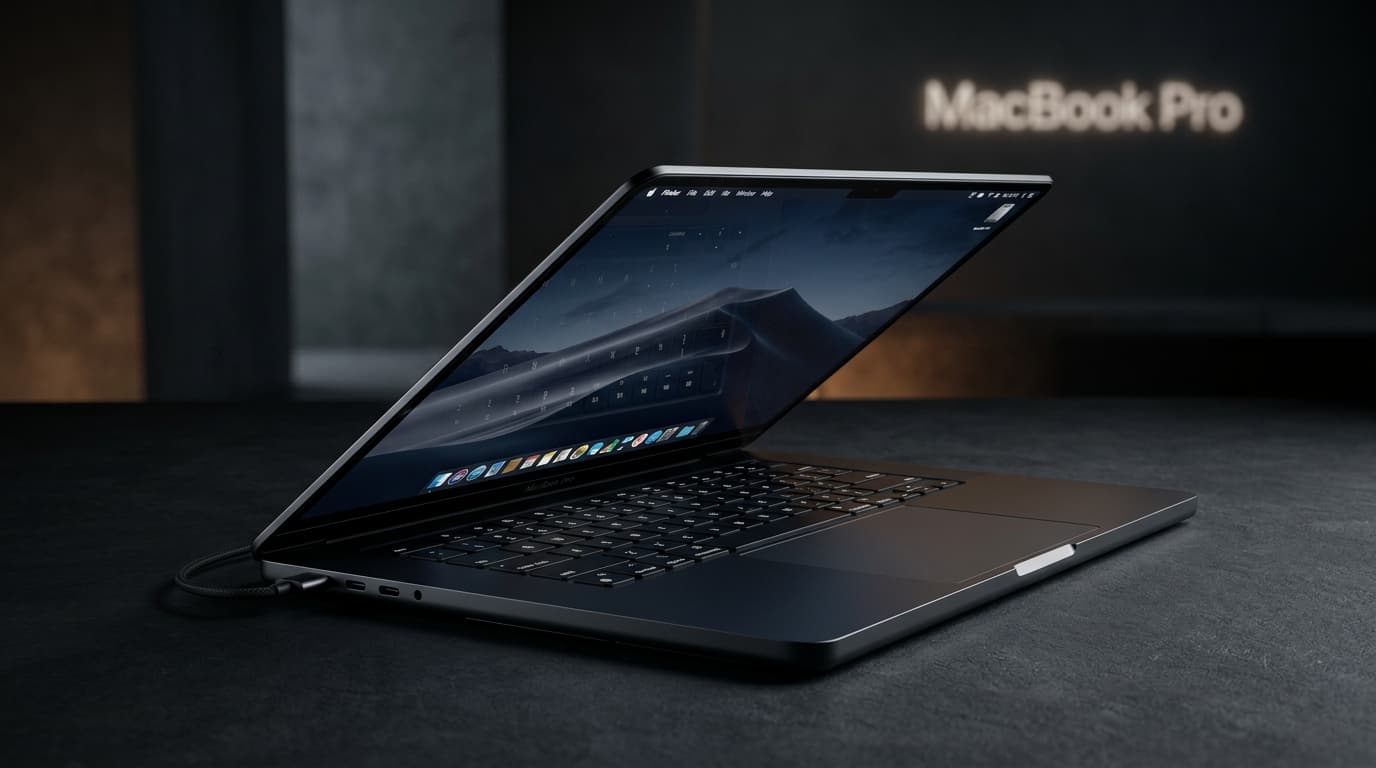
Apple MacBook Pro 16" (M3 Max)
The definitive mobile workstation for local AI development. Powered by the M3 Max chip with a 40-core GPU and up to 128GB of unified memory running at 400GB/s, it runs massive LLMs entirely on-device without thermal throttling.
Where it wins, where it doesn't
Pros
- 400GB/s memory bandwidth eliminates LLM bottlenecks
- Up to 128GB unified RAM supports massive 70B+ models
- Unmatched battery life under heavy sustained compute
Cons
- Astronomical price at high memory configurations
- Unified memory cannot be upgraded post-purchase
Specifications
- battery100-watt-hour lithium-polymer
- display16.2-inch Liquid Retina XDR (3456x2234, 120Hz ProMotion)
- cpu_cores16-core (12 performance, 4 efficiency)
- gpu_cores40-core (Hardware-accelerated ray tracing)
- architectureARMv8.6-A (Apple Silicon)
- neural_engine16-core (18 TOPS)
- unified_memoryUp to 128GB LPDDR5
- memory_bandwidth400 GB/s
- fabrication_process3nm (TSMC N3B)