Versus Engine
Dell XPS 14 (Intel Core Ultra) vs Microsoft Surface Laptop 7 (Snapdragon X Elite)
Specs, price and the one trade-off that actually decides it — Dell XPS 14 (Intel Core Ultra) against Microsoft Surface Laptop 7 (Snapdragon X Elite), side by side.
Cheaper to start
Microsoft Surface Laptop 7 (Snapdragon X Elite)
Starts about $200 lower.
Rated higher
Microsoft Surface Laptop 7 (Snapdragon X Elite)
9.2 vs 9.1 on our design scale.
Standout
Dell XPS 14 (Intel Core Ultra)
Premium minimalist design
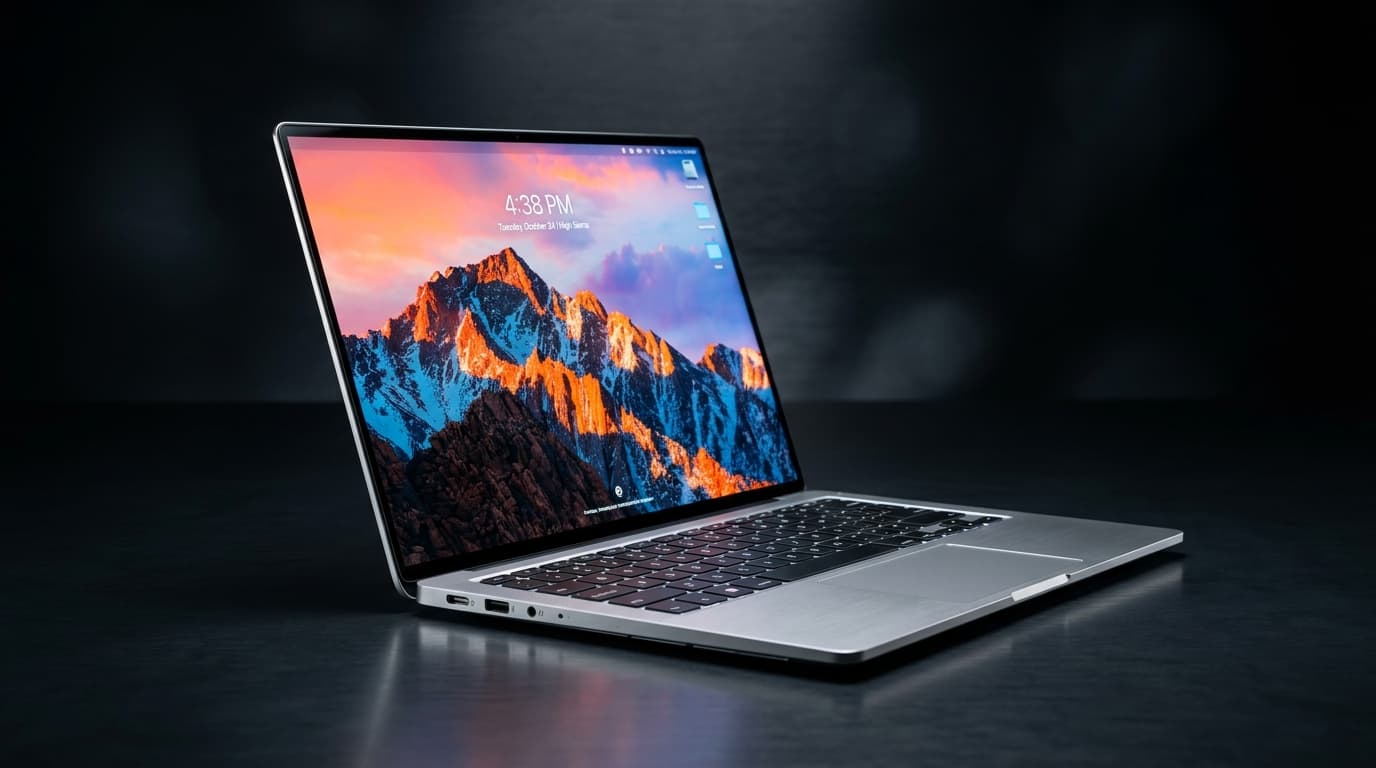
Dell XPS 14 (Intel Core Ultra)
A premium, minimalist Windows laptop integrating native NPU hardware and optional dedicated graphics.
Where it wins, where it doesn't
Pros
- Premium minimalist design
- Dedicated RTX graphics option
- Solid Intel NPU integration
Cons
- Invisible haptic trackpad has a learning curve
- Thermal throttling under heavy GPU load
Specifications
- NPUIntel AI Boost (10 TOPS)
- RAMUp to 64GB LPDDR5x
- Ports3x Thunderbolt 4, microSD, Headphone jack
- Weight1.68 kg
- Display14.5" 3.2K OLED Touch
- StorageUp to 4TB PCIe Gen4 SSD
- ProcessorIntel Core Ultra 7 155H
- npu—
- soc—
- memory—
- display—
- cpu_cores—
- connectivity—
- fabrication_process—
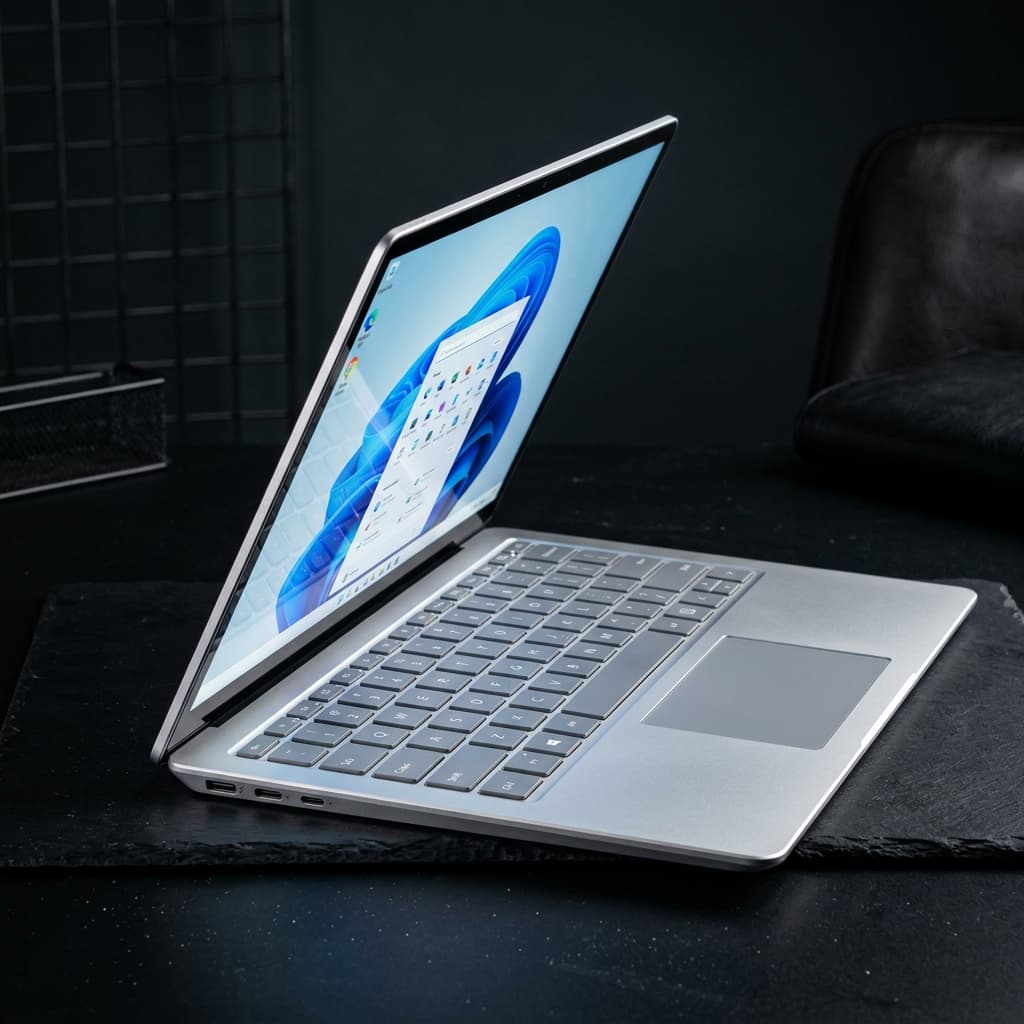
Microsoft Surface Laptop 7 (Snapdragon X Elite)
The vanguard of Copilot+ PCs, introducing Windows on ARM that finally competes with Apple Silicon. The Snapdragon X Elite integrates a massive 45 TOPS Hexagon NPU, delivering ultra-low latency for local on-device AI tasks.
Where it wins, where it doesn't
Pros
- Class-leading 45 TOPS NPU for instant local AI inference
- Stunning fanless-like thermal efficiency and battery life
- Premium haptic touchpad and aluminum unibody build
Cons
- x86 emulation overhead for legacy specialized software
- Gaming performance is limited by driver compatibility
Specifications
- NPU—
- RAM—
- Ports—
- Weight—
- Display—
- Storage—
- Processor—
- npuQualcomm Hexagon (45 TOPS)
- socQualcomm Snapdragon X Elite (X1E-80-100)
- memory16GB or 32GB LPDDR5x (8448 MT/s)
- display13.8 or 15-inch PixelSense Flow (120Hz)
- cpu_cores12-core Qualcomm Oryon (up to 3.4GHz, 4.0GHz boost)
- connectivityWi-Fi 7, Bluetooth 5.4
- fabrication_process4nm (TSMC)