Versus Engine
Apple Vision Pro vs Google Android XR Glasses
Specs, price and the one trade-off that actually decides it — Apple Vision Pro against Google Android XR Glasses, side by side.
Cheaper to start
Tie
Both start at a similar price.
Rated higher
Apple Vision Pro
9.2 vs 9.0 on our design scale.
Standout
Apple Vision Pro
Mind-blowing display resolution
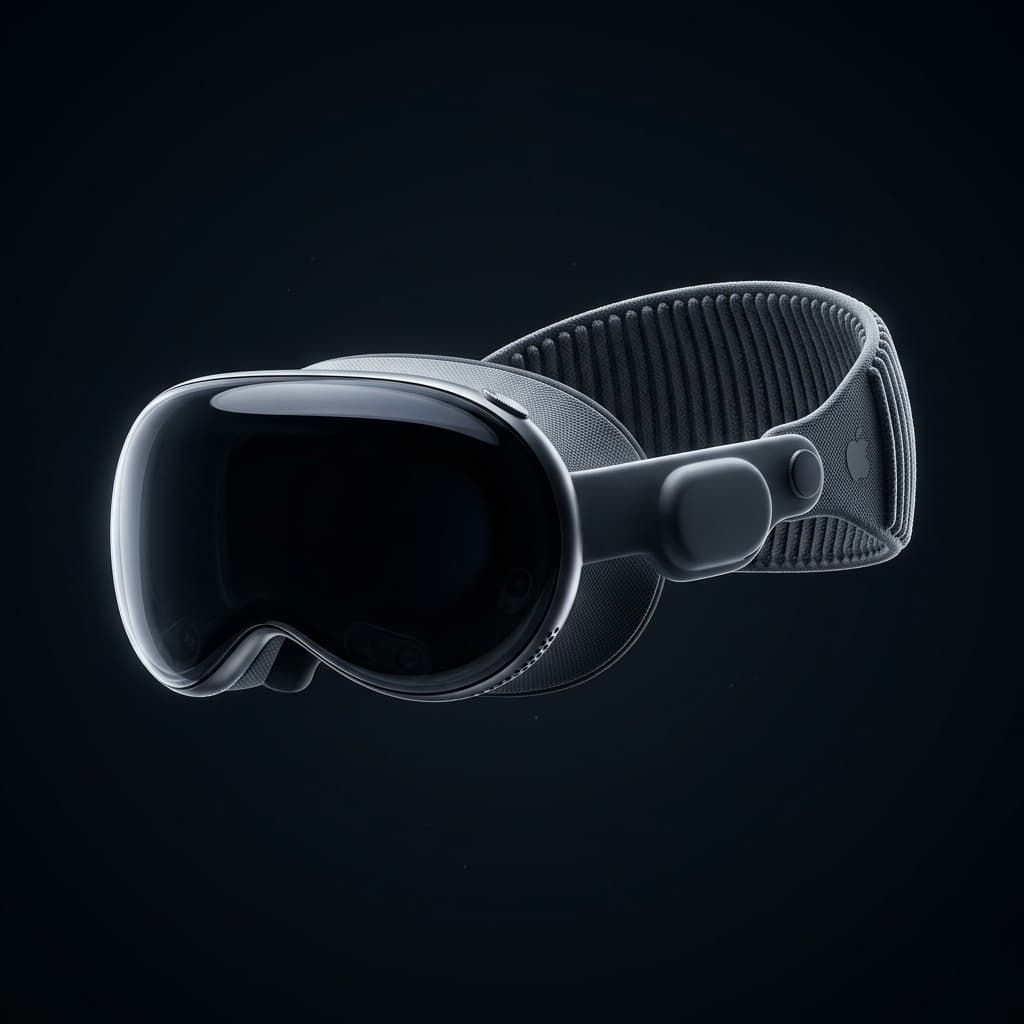
Apple Vision Pro
The most ambitious spatial computer ever engineered. Driven by a dual-chip architecture (M2 for compute, R1 for sensor processing), it feeds 23 million pixels to micro-OLED displays with a staggering 12ms photon-to-photon latency.
Where it wins, where it doesn't
Pros
- Mind-blowing display resolution
- Flawless eye-tracking interface
- Seamless Apple ecosystem integration
Cons
- Exorbitant price point
- Heavy front-weighted design
- External battery pack is cumbersome
Specifications
- key_featuresDual Micro-OLED 4K displays, M2 & R1 dual-chip, advanced eye and hand tracking
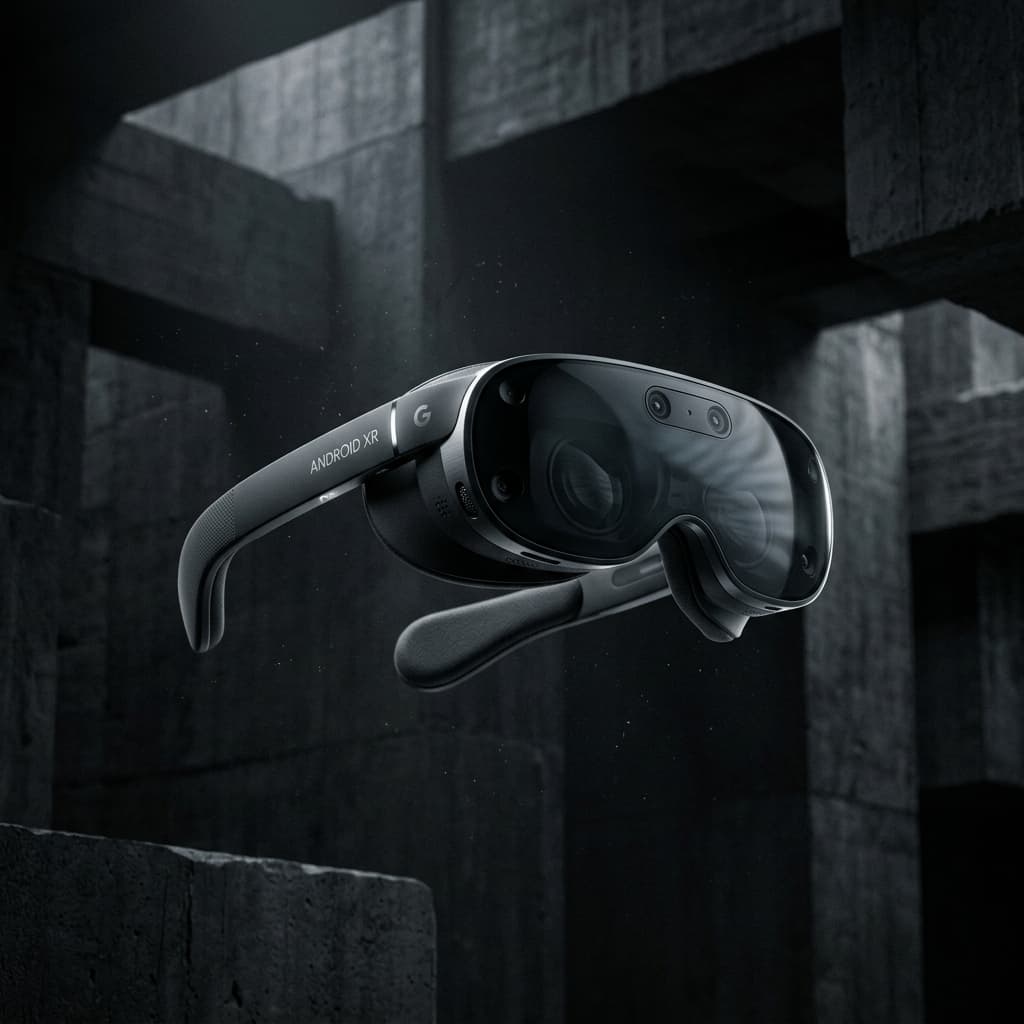
Google Android XR Glasses
Google's AR platform play, pairing Gemini with directional audio and — unusually — native support for both Android and iOS.
Where it wins, where it doesn't
Pros
- Platform-neutral — works natively on both Android and iOS
- High-quality directional audio
- Gemini integration built in rather than bolted on
Cons
- No fashion-brand appeal to match Ray-Ban Meta
- Category still trading heavily on unreleased promise
- Assistant quality depends on a cloud connection
Specifications
- key_features—