Versus Engine
Apple MacBook Air (M5) vs Apple MacBook Pro 16" (M3 Max)
Specs, price and the one trade-off that actually decides it — Apple MacBook Air (M5) against Apple MacBook Pro 16" (M3 Max), side by side.
Cheaper to start
Apple MacBook Air (M5)
Starts about $2,400 lower.
Rated higher
Apple MacBook Pro 16" (M3 Max)
9.8 vs 9.6 on our design scale.
Standout
Apple MacBook Air (M5)
Completely silent under normal load

Apple MacBook Air (M5)
The fanless efficiency benchmark: desktop-class work in a silent chassis, from $1,099.
Where it wins, where it doesn't
Pros
- Completely silent under normal load
- Battery life that removes charger anxiety
- Very light for the performance on offer
Cons
- Throttles under sustained load — no fan to shed heat
- Not suitable for serious local model inference
- Memory and storage fixed at purchase
Specifications
- battery—
- display—
- cpu_cores—
- gpu_cores—
- architecture—
- neural_engine—
- unified_memory—
- memory_bandwidth—
- fabrication_process—
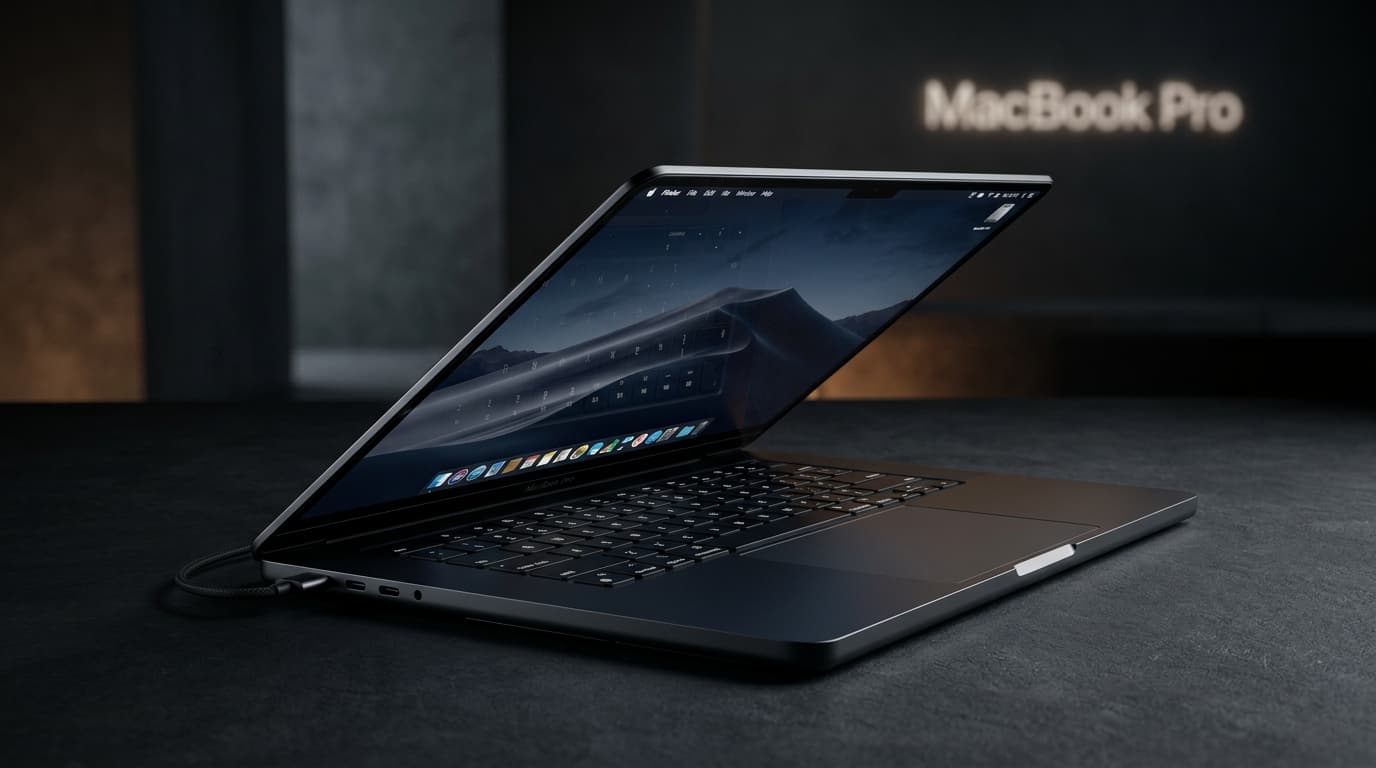
Apple MacBook Pro 16" (M3 Max)
The definitive mobile workstation for local AI development. Powered by the M3 Max chip with a 40-core GPU and up to 128GB of unified memory running at 400GB/s, it runs massive LLMs entirely on-device without thermal throttling.
Where it wins, where it doesn't
Pros
- 400GB/s memory bandwidth eliminates LLM bottlenecks
- Up to 128GB unified RAM supports massive 70B+ models
- Unmatched battery life under heavy sustained compute
Cons
- Astronomical price at high memory configurations
- Unified memory cannot be upgraded post-purchase
Specifications
- battery100-watt-hour lithium-polymer
- display16.2-inch Liquid Retina XDR (3456x2234, 120Hz ProMotion)
- cpu_cores16-core (12 performance, 4 efficiency)
- gpu_cores40-core (Hardware-accelerated ray tracing)
- architectureARMv8.6-A (Apple Silicon)
- neural_engine16-core (18 TOPS)
- unified_memoryUp to 128GB LPDDR5
- memory_bandwidth400 GB/s
- fabrication_process3nm (TSMC N3B)