
Asus ROG Zephyrus G16 (2026)
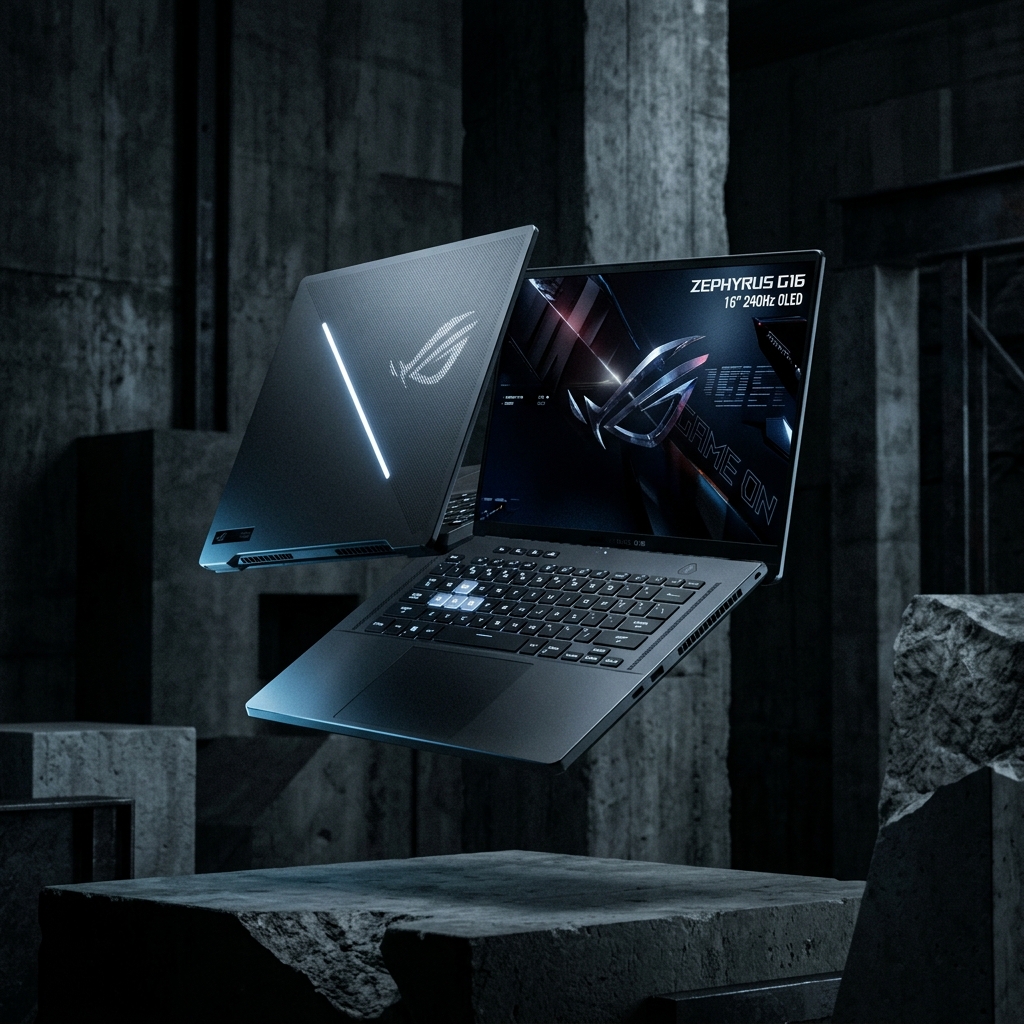
Verdict
Blackwell-class mobile graphics in a slim, deliberately understated chassis.
Where it wins, where it doesn't
Pros
- Top-tier mobile GPU in a genuinely slim chassis
- ROG Nebula OLED display
- Desktop-class render performance for creators on the move
Cons
- Loud under sustained maximum load
- Poor battery life away from the wall
- Runs hot enough to matter on a lap
Editorial note
The engineering achievement is thermal, not computational: fitting this class of GPU into a chassis this thin, in a design that does not announce itself as a gaming laptop, is genuinely hard and Asus has done it well. For a video editor who needs desktop-class render performance and also needs to walk into a client meeting, there is very little competition. The physics still win in the end, though — under sustained maximum load the fans are loud enough to be a problem in a shared room, and battery life away from the wall is poor in the way every machine of this class is poor. Buy it understanding that the slim chassis is for carrying it, not for using it unplugged.
In-Depth Review
The achievement in the Zephyrus G16 is thermal, not computational: fitting a Blackwell-class mobile GPU into a chassis this thin, in a design that does not announce itself as a gaming laptop, is genuinely hard and Asus has done it well. The ROG Nebula OLED panel is excellent for the colour work this machine is really for.
Who it is for
A video editor who needs desktop-class render performance and needs to walk into a client meeting without a backlit-keyboard spaceship on the table. There is very little competition for that exact brief.
Where physics wins
- Under sustained maximum load the fans are loud enough to be a problem in a shared room.
- Battery life away from the wall is poor, in the way every machine of this class is poor.
- It runs hot enough to matter on an actual lap.
The slim chassis is for carrying it, not for using it unplugged.
Who should buy
4K video creators who travel, and people who want high-end gaming performance without the gaming-laptop look. If the machine will live on a desk, a thicker chassis runs quieter and cooler for the same money.
Frequently Asked Questions
Who is Asus ROG Zephyrus G16 (2026) for?↓
What are the drawbacks of Asus ROG Zephyrus G16 (2026)?↓
What does Asus ROG Zephyrus G16 (2026) do well?↓
How much does Asus ROG Zephyrus G16 (2026) cost?↓
What is the Fathom Layer design score for Asus ROG Zephyrus G16 (2026)?↓
Alternatives to consider
See all alternatives →Further reading
Featured badge
Building this product? Add the badge to your site to show it’s in the index.

<a href="https://fathomlayer.com/compute/premium-laptops/asus-rog-zephyrus-g16-2026" target="_blank" rel="noopener noreferrer"><img src="https://fathomlayer.com/fathom-badge.svg" alt="Featured on Fathom Layer" width="250" height="54" /></a>