
Versus Engine
Google Android XR Glasses vs Meta VR Glasses
Specs, price and the one trade-off that actually decides it — Google Android XR Glasses against Meta VR Glasses, side by side.
Cheaper to start
Tie
Both start at a similar price.
Rated higher
Google Android XR Glasses
9.0 vs 0.0 on our design scale.
Standout
Google Android XR Glasses
Platform-neutral — works natively on both Android and iOS
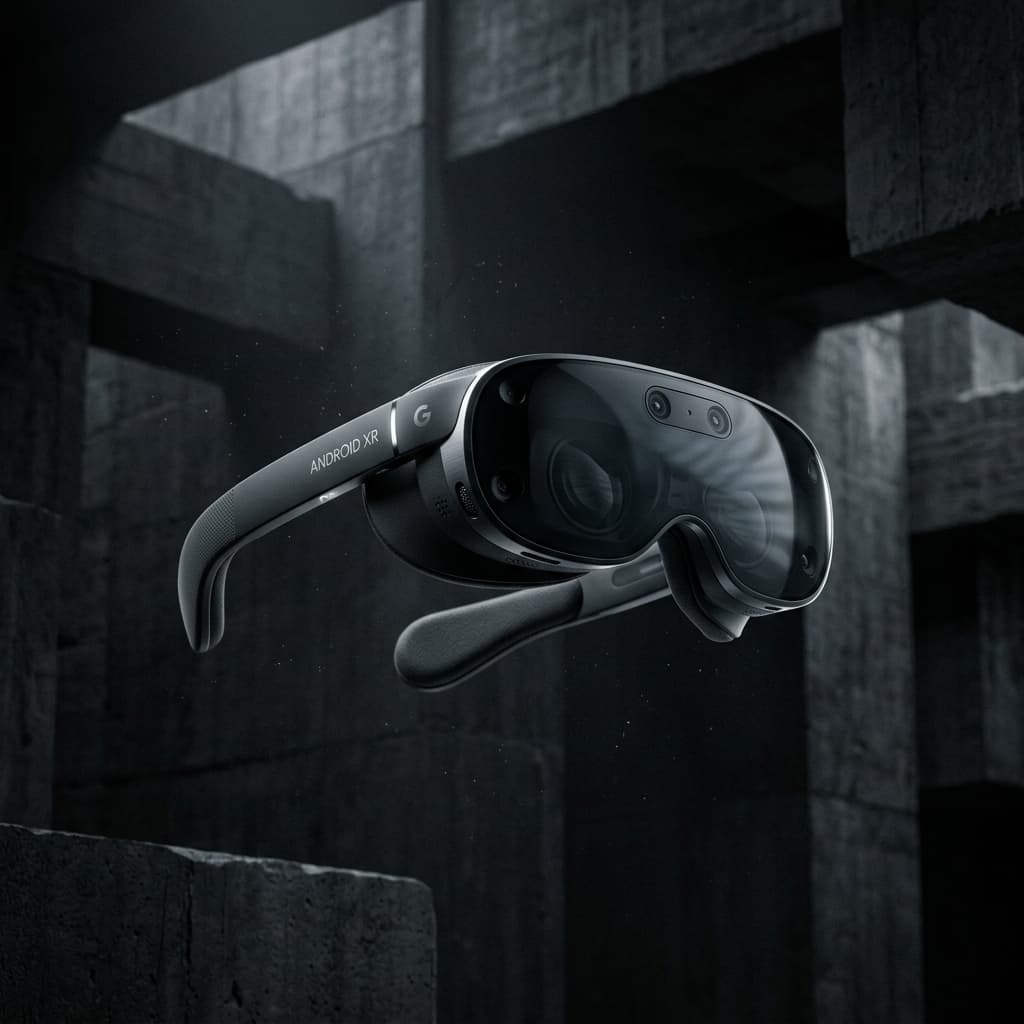
Google Android XR Glasses
Google's AR platform play, pairing Gemini with directional audio and — unusually — native support for both Android and iOS.
Where it wins, where it doesn't
Pros
- Platform-neutral — works natively on both Android and iOS
- High-quality directional audio
- Gemini integration built in rather than bolted on
Cons
- No fashion-brand appeal to match Ray-Ban Meta
- Category still trading heavily on unreleased promise
- Assistant quality depends on a cloud connection
Specifications
- audio—
- battery_life—
- charging—
- display—
- lenses—
- processor—
- Tap into your appsOrder a ride with Uber, learn a new language with Mondly and more, just by using your voice with your phone’s apps. Glasses pair with both Android and iOS phones.
- weight—
Meta VR Glasses
Meta VR Glasses with a 5K Infinite Display and Dolby Atmos audio
Where it wins, where it doesn't
Pros
- 5K Infinite Display with 37 pixels per degree for sharp visuals
- Dolby Atmos audio for immersive sound
Cons
- Battery life is limited to up to three hours of continuous use
Specifications
- audioDolby Atmos immersive spatial audio
- battery_lifeup to three hours of continuous high-resolution media playback
- chargingsupports 45W fast charging
- display5K Infinite Display built on micro-OLED panels, with 37 pixels per degree
- lensesultra-compact pancake lenses
- processorQualcomm Snapdragon Reality Elite processor
- Tap into your apps—
- weightabout 100 grams