
Versus Engine
Nvidia GeForce RTX 3090 (Usada) vs Nvidia GeForce RTX 5080 (16GB)
Specs, price and the one trade-off that actually decides it — Nvidia GeForce RTX 3090 (Usada) against Nvidia GeForce RTX 5080 (16GB), side by side.
Cheaper to start
Nvidia GeForce RTX 3090 (Usada)
Starts about $399 lower.
Rated higher
Nvidia GeForce RTX 5080 (16GB)
9.1 vs 8.5 on our design scale.
Standout
Nvidia GeForce RTX 3090 (Usada)
24GB VRAM at roughly $600 — unmatched cost per gigabyte
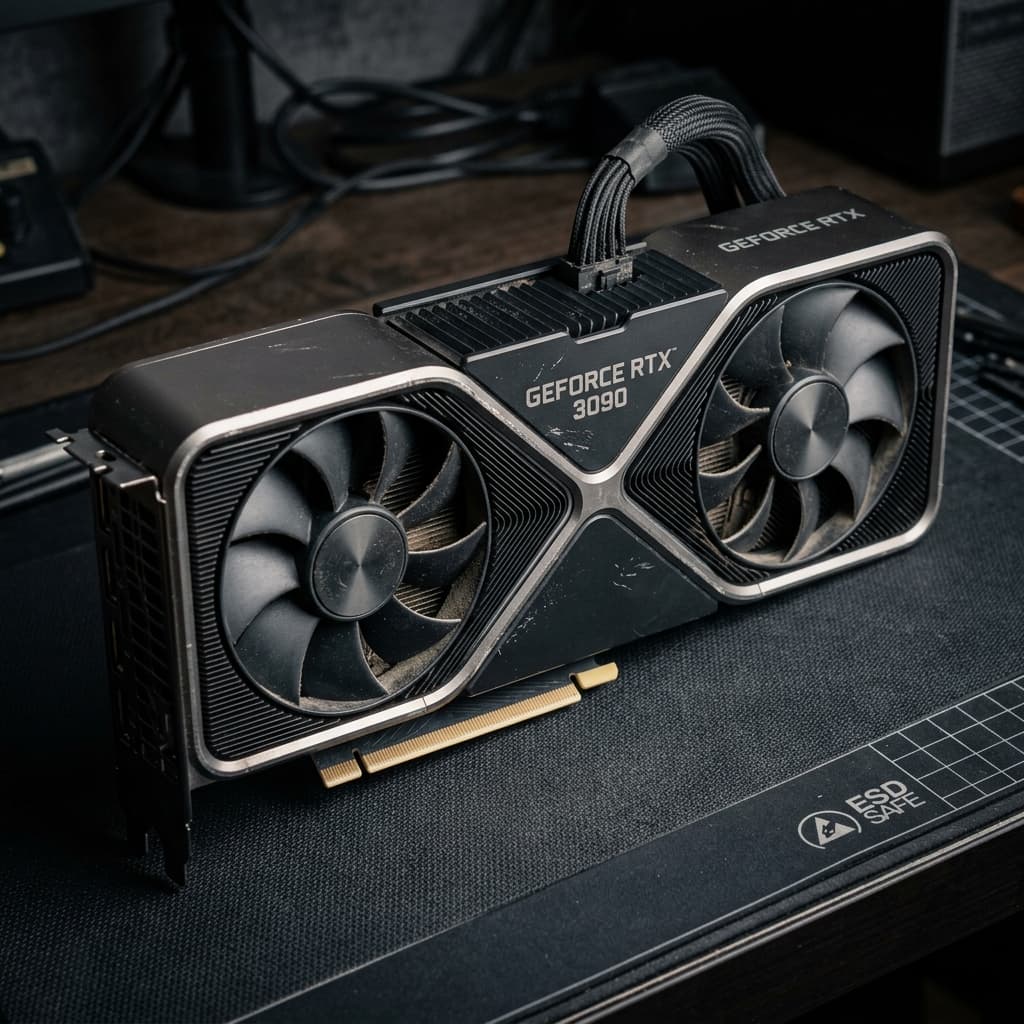
Nvidia GeForce RTX 3090 (Usada)
The second-hand market's favourite: 24GB of VRAM around $600, and the basis of most cheap multi-GPU rigs.
Where it wins, where it doesn't
Pros
- 24GB VRAM at roughly $600 — unmatched cost per gigabyte
- Pairs well for multi-GPU rigs (72GB across three cards)
- Mature, well-understood CUDA support
Cons
- No warranty and unknown usage history
- High power draw that compounds across multiple cards
- Two generations behind on compute and efficiency
Specifications
- memory—
- cuda_cores—
- memory_bus—
- architecture—
- memory_bandwidth—
- total_graphics_power—
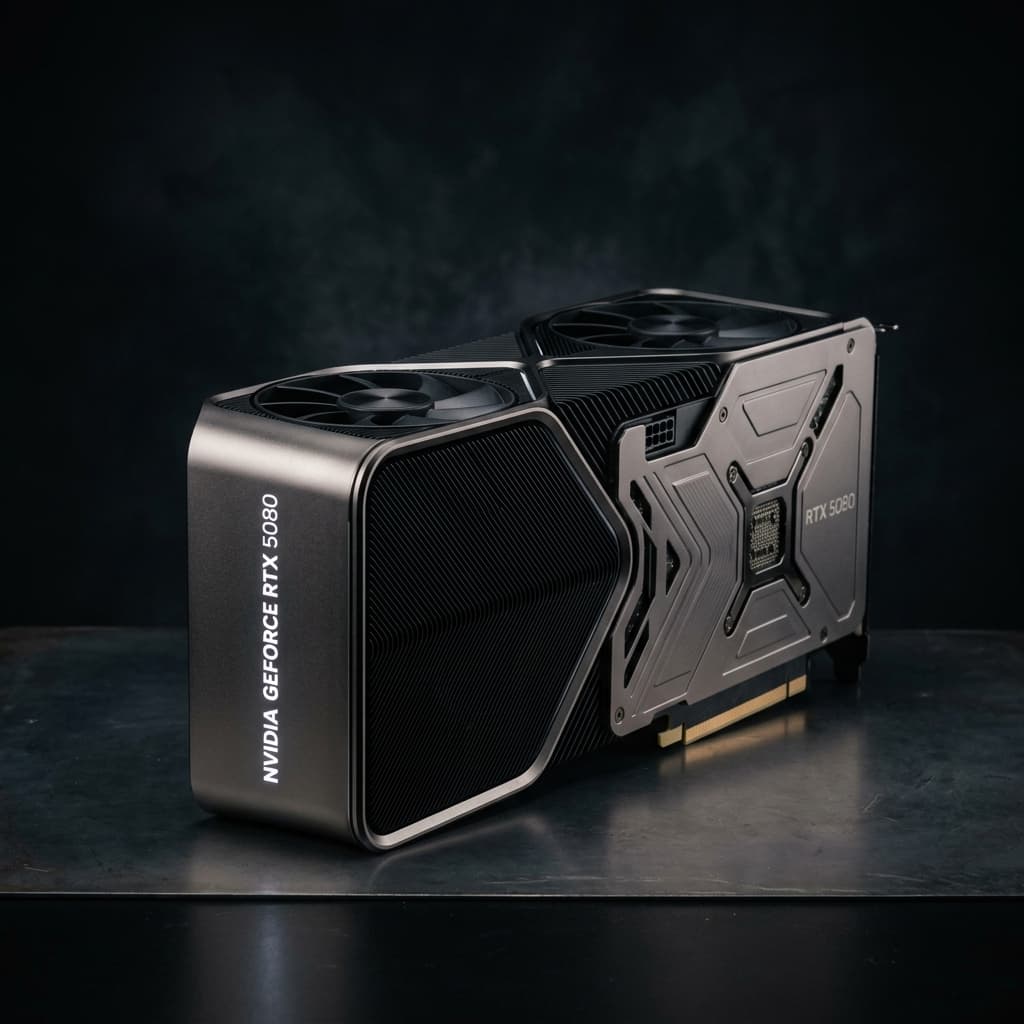
Nvidia GeForce RTX 5080 (16GB)
A solid generational step over the 4080 at $999, still capped at 16GB of VRAM.
Where it wins, where it doesn't
Pros
- Solid generational gain over the 4080
- Much better cost per frame than the 5090
- Strong for rendering and video work
Cons
- 16GB VRAM — no more model headroom than a 5070 Ti at two-thirds the price
- Cannot run 70B-class inference
- Expensive for what it adds over the tier below
Specifications
- memory16GB GDDR7
- cuda_cores10752
- memory_bus256-bit
- architectureBlackwell
- memory_bandwidth960 GB/s
- total_graphics_power360W