
Versus Engine
Meta Quest 4 vs XREAL One Pro
Specs, price and the one trade-off that actually decides it — Meta Quest 4 against XREAL One Pro, side by side.
Cheaper to start
Tie
Both start at a similar price.
Rated higher
XREAL One Pro
9.0 vs 8.8 on our design scale.
Standout
Meta Quest 4
Best value in standalone VR/MR
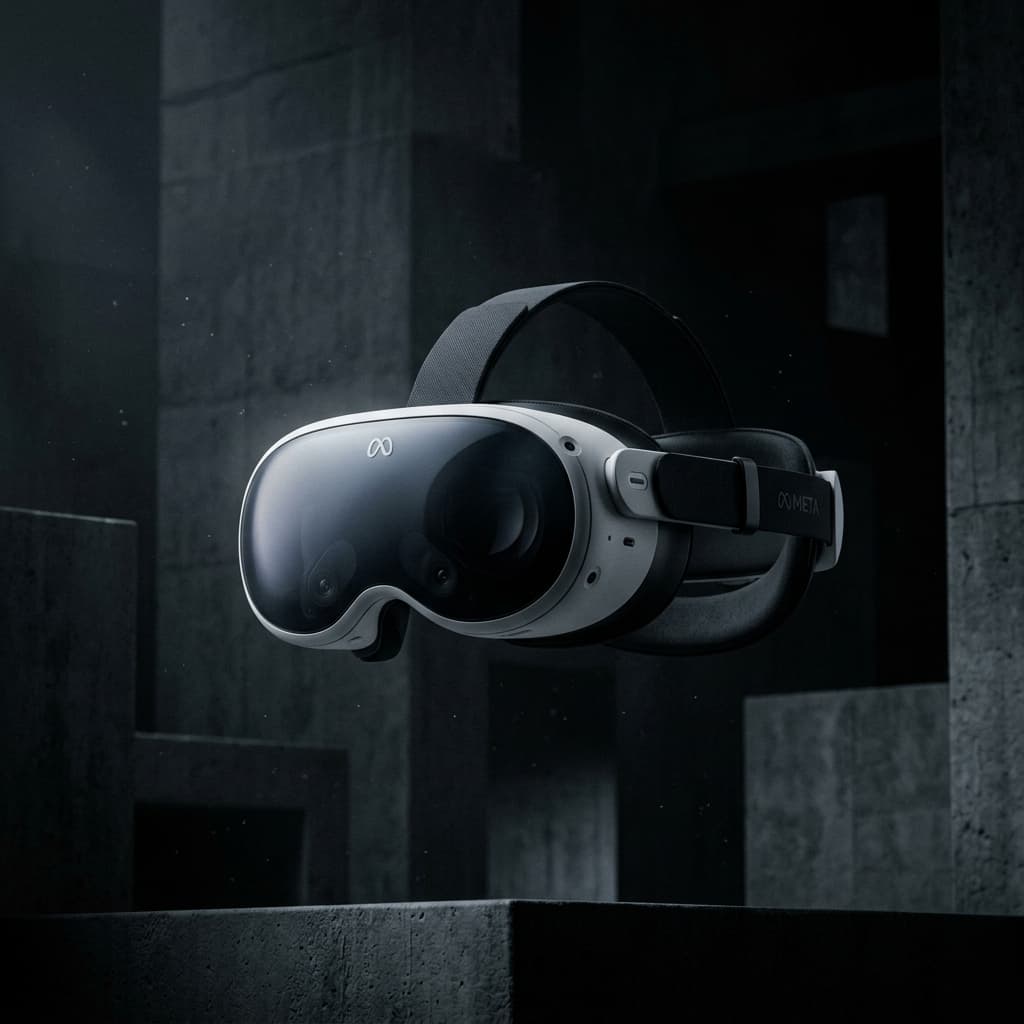
Meta Quest 4
Where it wins, where it doesn't
Pros
- Best value in standalone VR/MR
- Vast content ecosystem
- Significantly improved passthrough
Cons
- Battery life still limited to ~2 hours
- Stock headstrap can be uncomfortable
- Privacy concerns with Meta ecosystem
Specifications
- Audio—
- Color Accuracy—
- Compatibility—
- Display—
- DoF—
- Dynamic Frame Interpolation—
- FOV—
- Image Correction—
- IPD Compatibility—
- key_featuresSnapdragon XR3 Gen 2, 4K per eye Micro-OLED, full-color passthrough, inside-out body tracking
- Lens Transparency—
- M2P Latency—
- Refresh Rate—
- Screen Size—
- Stabilization Algorithm—
- X1 Chip—
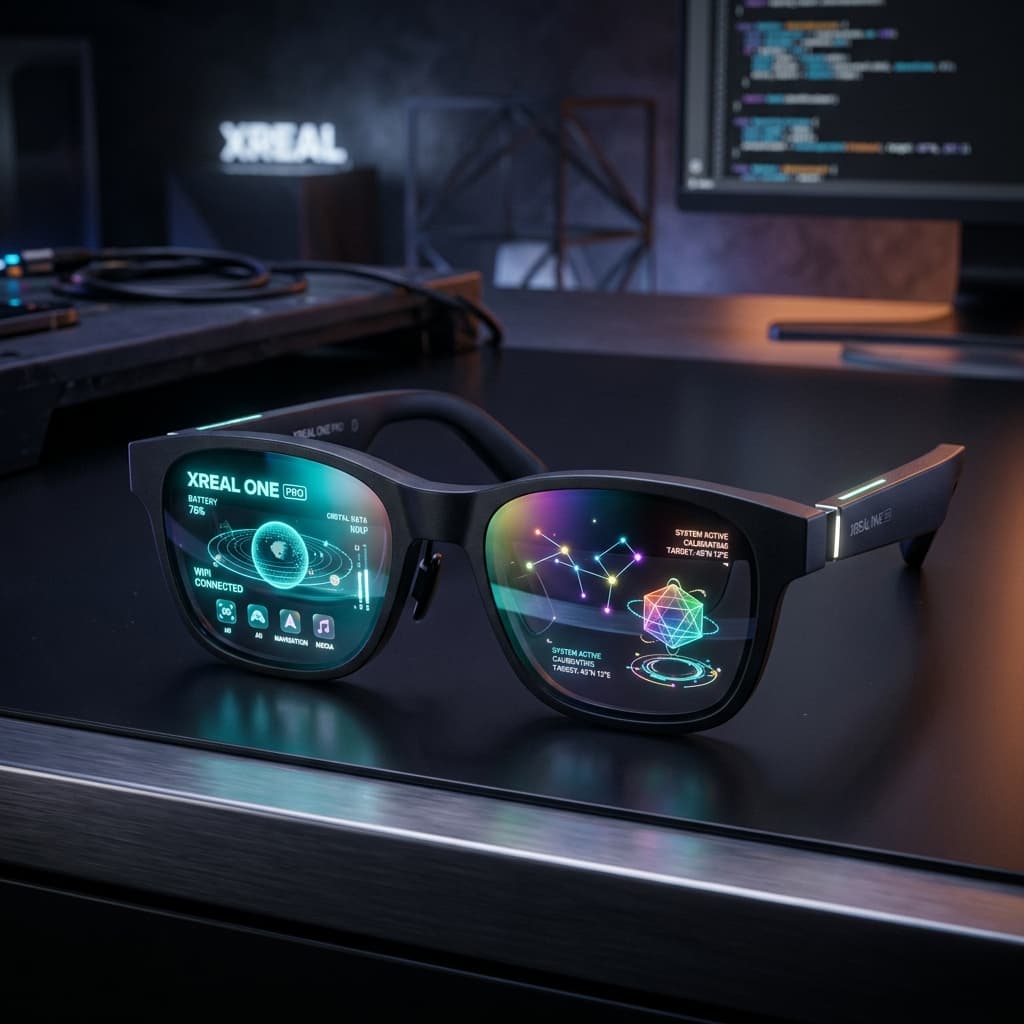
XREAL One Pro
Virtual-monitor glasses at $499, aimed at working on a laptop without the laptop's screen size.
Where it wins, where it doesn't
Pros
- Large virtual displays that hold their position
- Mature Windows and macOS software
- Solves a real problem for laptop-bound work in transit
Cons
- Text sharpness falls short of a real high-resolution panel
- Comfort limits sessions to an hour or two
- Needs a compatible port or an adapter on some machines
Specifications
- AudioAcoustic components specially designed for AR glasses, professionally tuned by BOSE
- Color AccuracyΔE<3
- CompatibilityiPhone, iPad, Android, PC, Xbox, Steam Deck, Switch, Play Station 5, Mac, Drone Controller, ROG Ally
- Display0.55-inch Sony Micro-OLED
- DoF0 DoF, Native 3 DoF, Anchor Mode enables both 3DoF and 6DoF spatial anchoring
- Dynamic Frame Interpolationup to 120 fps
- FOV57°
- Image Correctioncompensating and displaying each line simultaneously
- IPD Compatibility57-66 mm & 66-75 mm
- key_features—
- Lens Transparencythree levels of electronichromic (Theater Mode, Shade Mode, Clear Mode)
- M2P Latency3 ms
- Refresh Rate120 Hz
- Screen Sizeup to a 171 inch screen
- Stabilization Algorithmself-Developed stabilization algorithm
- X1 ChipThe Only Spatial Computing Chip on AR Glasses